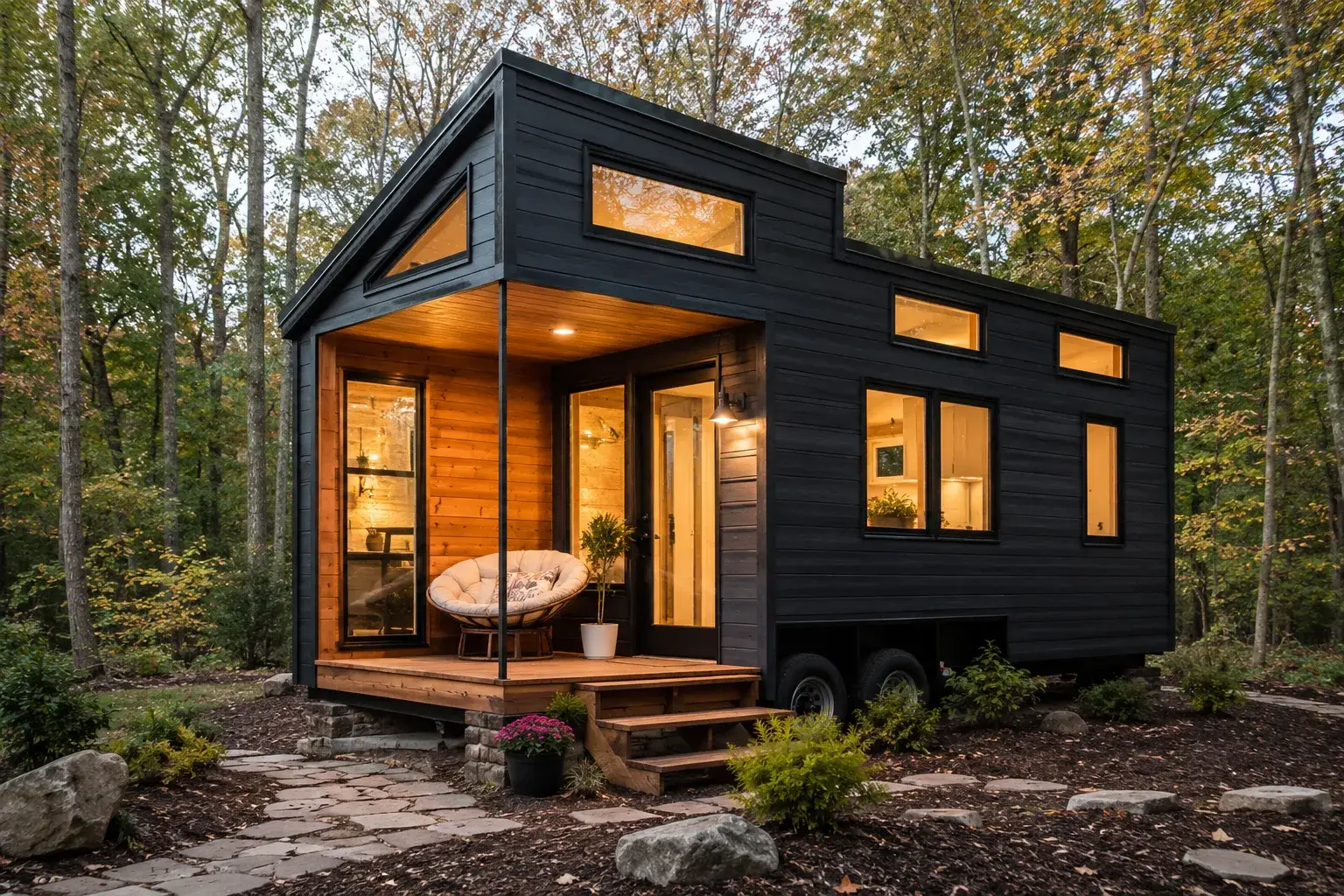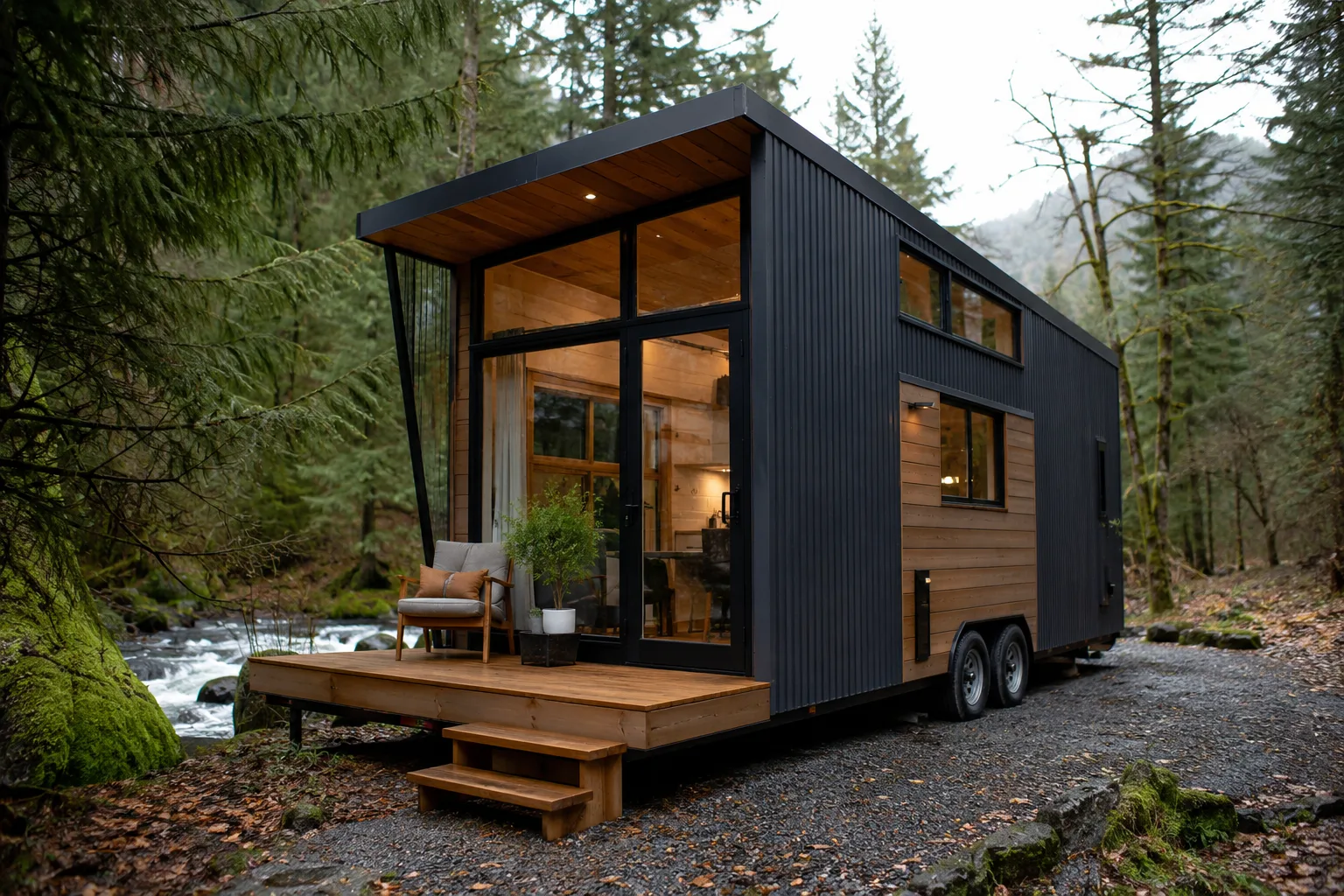
Tiny House Resale Value: Do Tiny Houses Hold Their Worth?
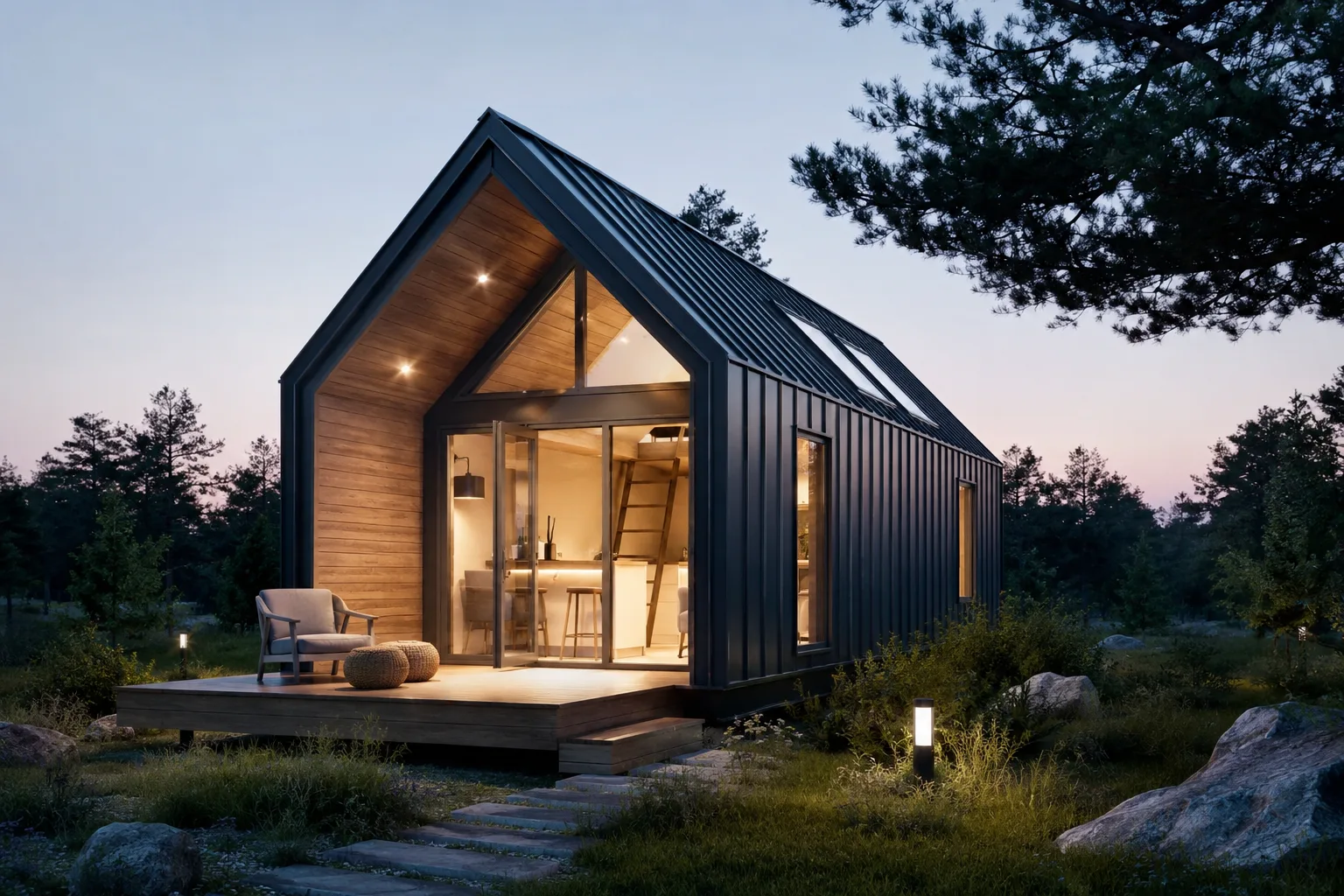
"Will I lose money on a tiny house?" is one of the smartest questions a buyer can ask — and the honest answer is: it depends on what you buy and how you own it. Some tiny houses hold their value remarkably well, even appreciating. Others lose value like a vehicle. The difference comes down to a handful of factors you can actually control. Here's what really drives tiny house resale value.
Appreciation vs. depreciation: the core distinction
The single biggest factor is whether your home is real estate or personal property. A tiny house on a foundation, on land you own, behaves like a small house — it can appreciate alongside the property, just as any home does. A tiny house on wheels is more like a high-quality vehicle: it tends to depreciate, though a well-built, well-maintained THOW depreciates far more slowly than a mass-produced RV. Knowing which category you're in sets realistic expectations from day one — a theme we cover in depth in wheels vs. foundation.
Build quality is the great differentiator
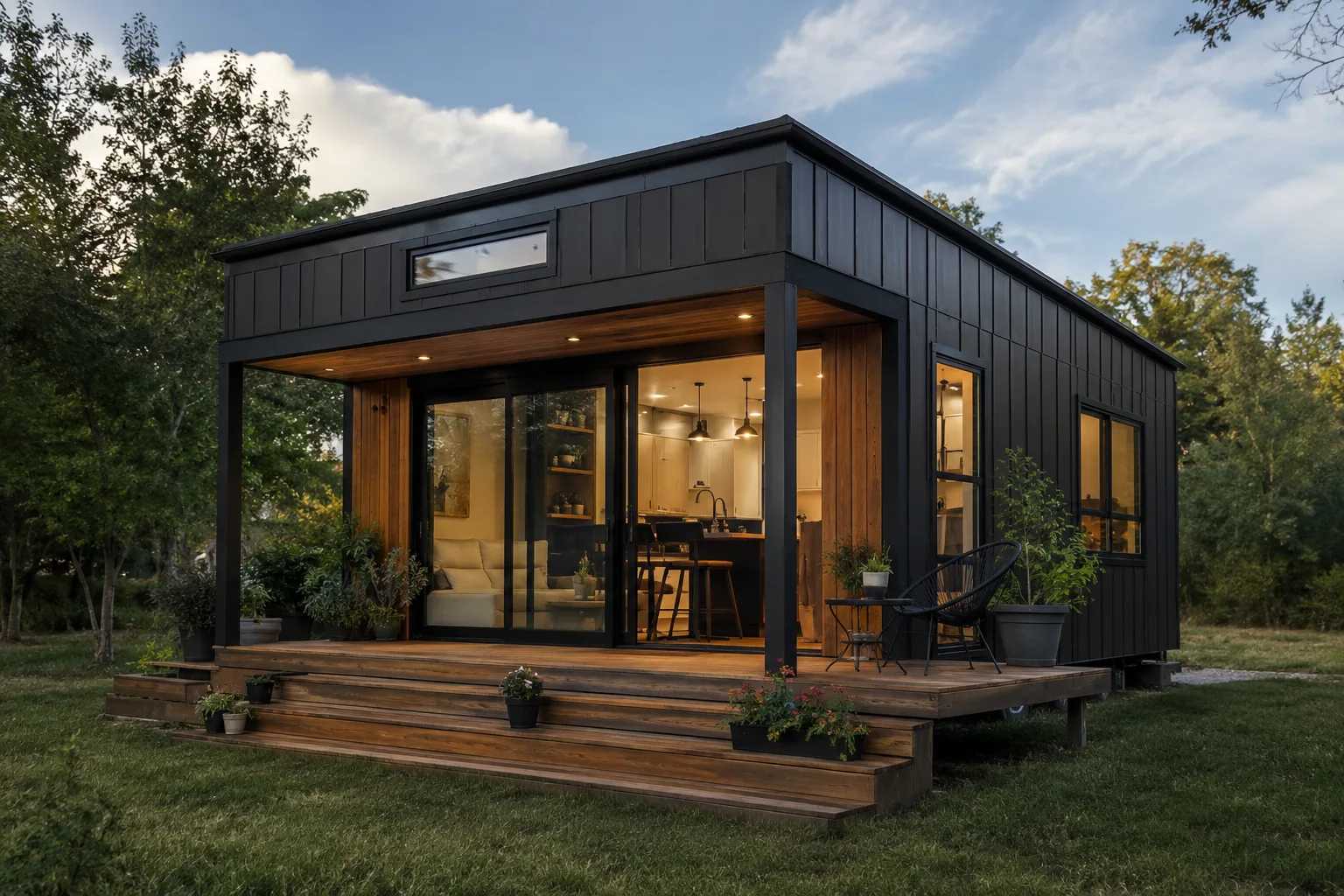
Two tiny houses of the same size can be worth wildly different amounts years later, and the gap is almost entirely build quality. A home with climate-rated insulation, high-performance windows, a properly engineered structure and careful moisture detailing ages gracefully and commands a premium on resale. A cheaply built shell with hidden moisture problems can be nearly worthless. This is exactly why we build every premium home for the long term — quality isn't just comfort, it's stored value.
Land and a legal place to be
A tiny house with a secured, legal place to sit is worth far more than an identical one with nowhere to go. A home that qualifies as an ADU or permitted dwelling, or one that comes with land or a transferable spot in a tiny house community, removes the buyer's hardest problem — and they'll pay for that certainty. Conversely, a beautiful home that the next buyer can't legally place anywhere will struggle to sell at any price. This is why the classification choice — wheels or foundation — has such a long shadow. It doesn't just shape how you live, it determines how easily someone else can step into the home when you're ready to move on.
Condition, maintenance and demand
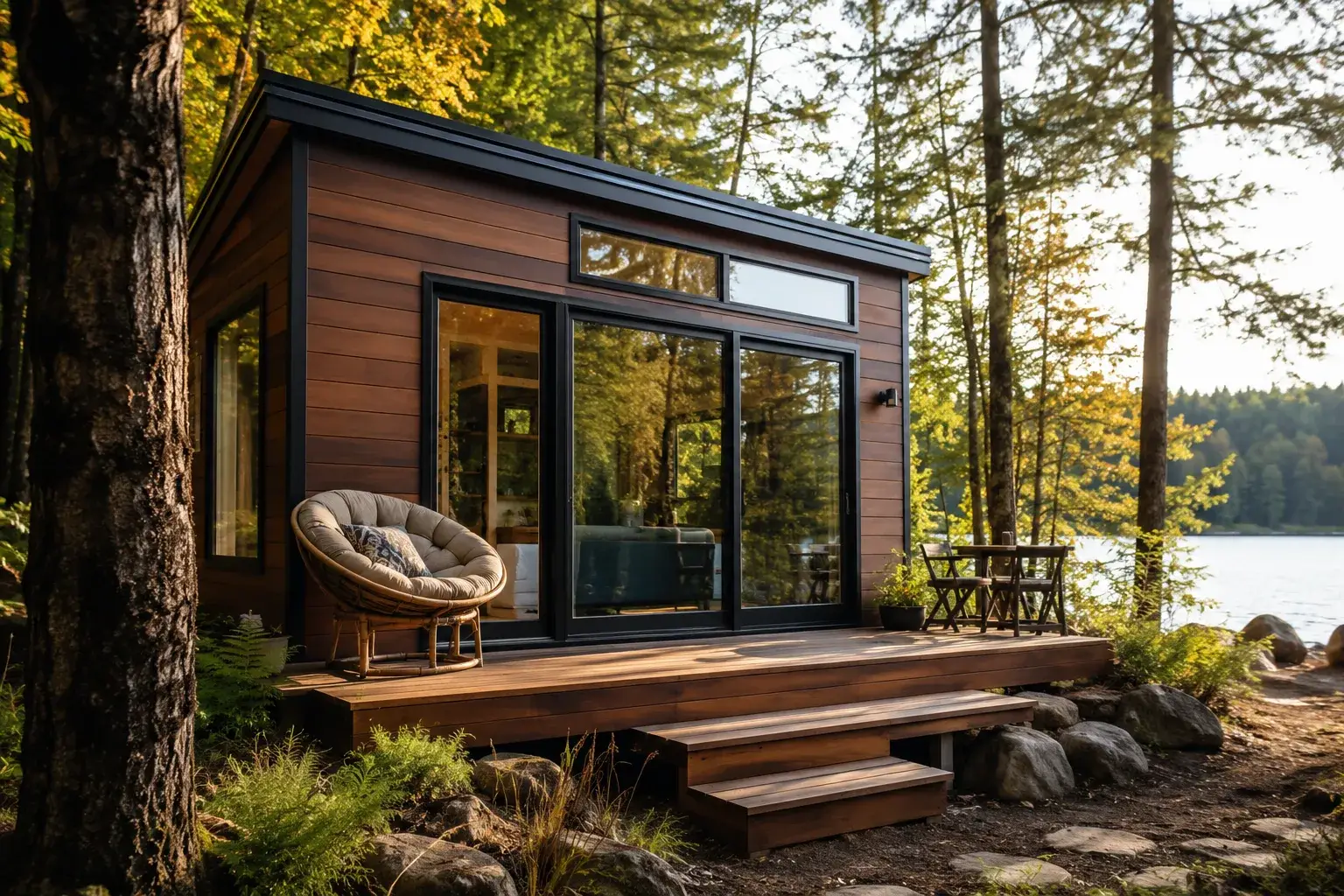
Condition is the factor most within your control. A documented maintenance history and a home free of water damage sell for noticeably more — buyers pay for peace of mind. Timeless design also helps: a clean, well-proportioned home dates more slowly than a trend-driven one. And demand matters, too. Interest in tiny living, ADUs and quality used tiny homes has grown steadily, which supports resale for well-built homes in desirable areas. A tiny home in a region with strong housing demand and a friendly stance on ADUs will always find buyers more easily than the same home in a place where it's hard to place legally — location shapes resale just as much as it does for any property.
How to buy for resale value
If holding value matters to you, stack the deck. Favor a foundation home on owned land if you can. Insist on genuine build quality over a low sticker price. Secure a legal, transferable place for the home to sit. Choose timeless design over fashion. And maintain the home diligently from day one. Do those five things and a tiny house can be a sound financial decision, not just a lifestyle one — some buyers even treat a quality home as a rental or income asset.
Value starts at the build. To create a home engineered to hold its worth for decades, request a proposal and we'll spec it for the long term, not just move-in day.