Tiny House Insurance: What You Need and What It Costs
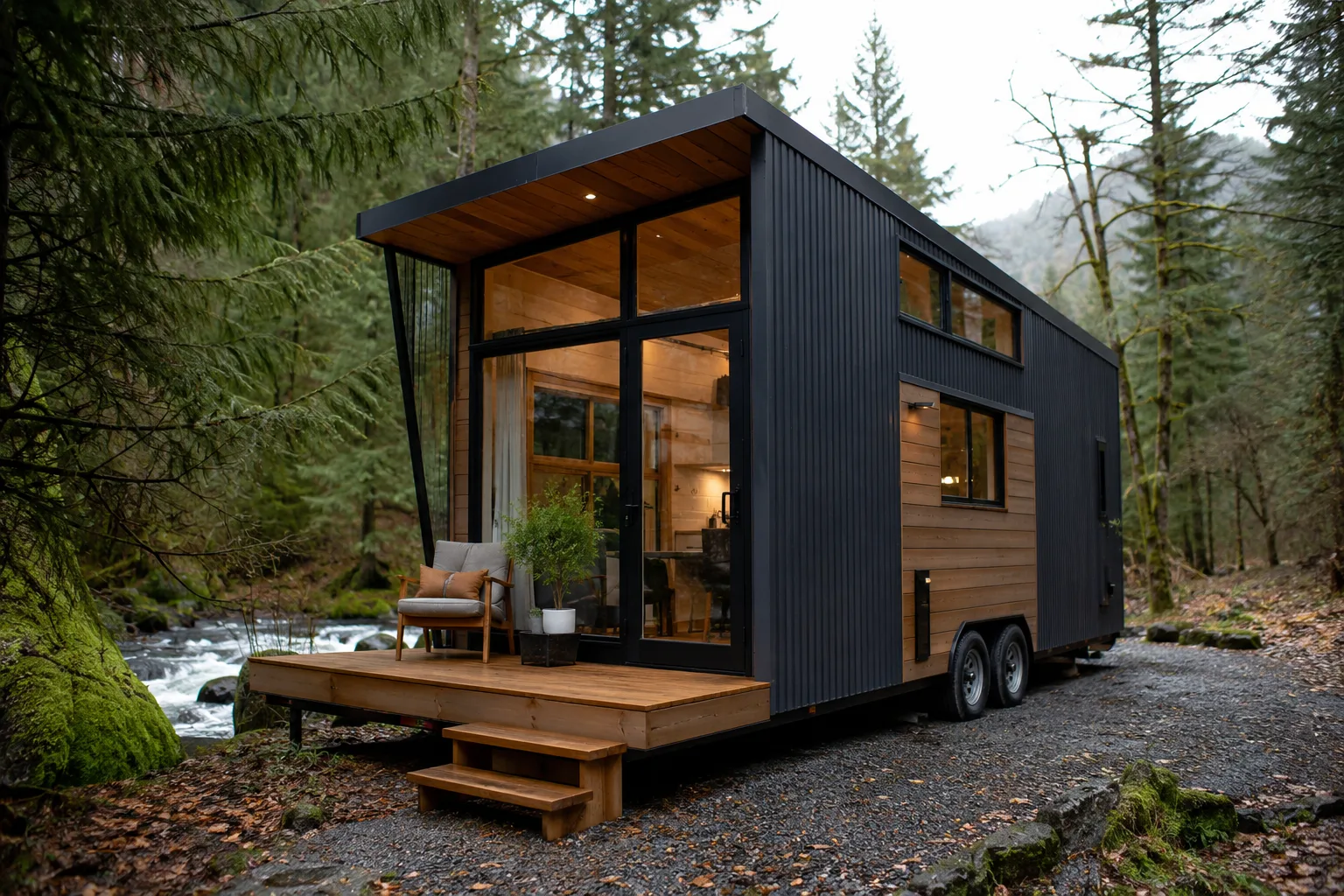
Insurance is one of the most overlooked parts of tiny house ownership — right up until something goes wrong. Because a tiny house can be classified as a vehicle, a dwelling, or an accessory structure, there is no single "tiny house policy" that covers everyone. The coverage you need depends entirely on how your home is built and where it sits. This guide walks through the real options so you don't discover a gap after a storm.
Why standard homeowners insurance often doesn't fit
A traditional homeowners policy is written for a permanent house on a foundation that you own. A tiny house on wheels is movable personal property, not real estate, so most homeowners insurers won't write a standard policy for it. That mismatch is the single biggest reason people end up underinsured: they assume a regular policy applies, it doesn't, and the gap only surfaces at claim time.
Insuring a tiny house on wheels
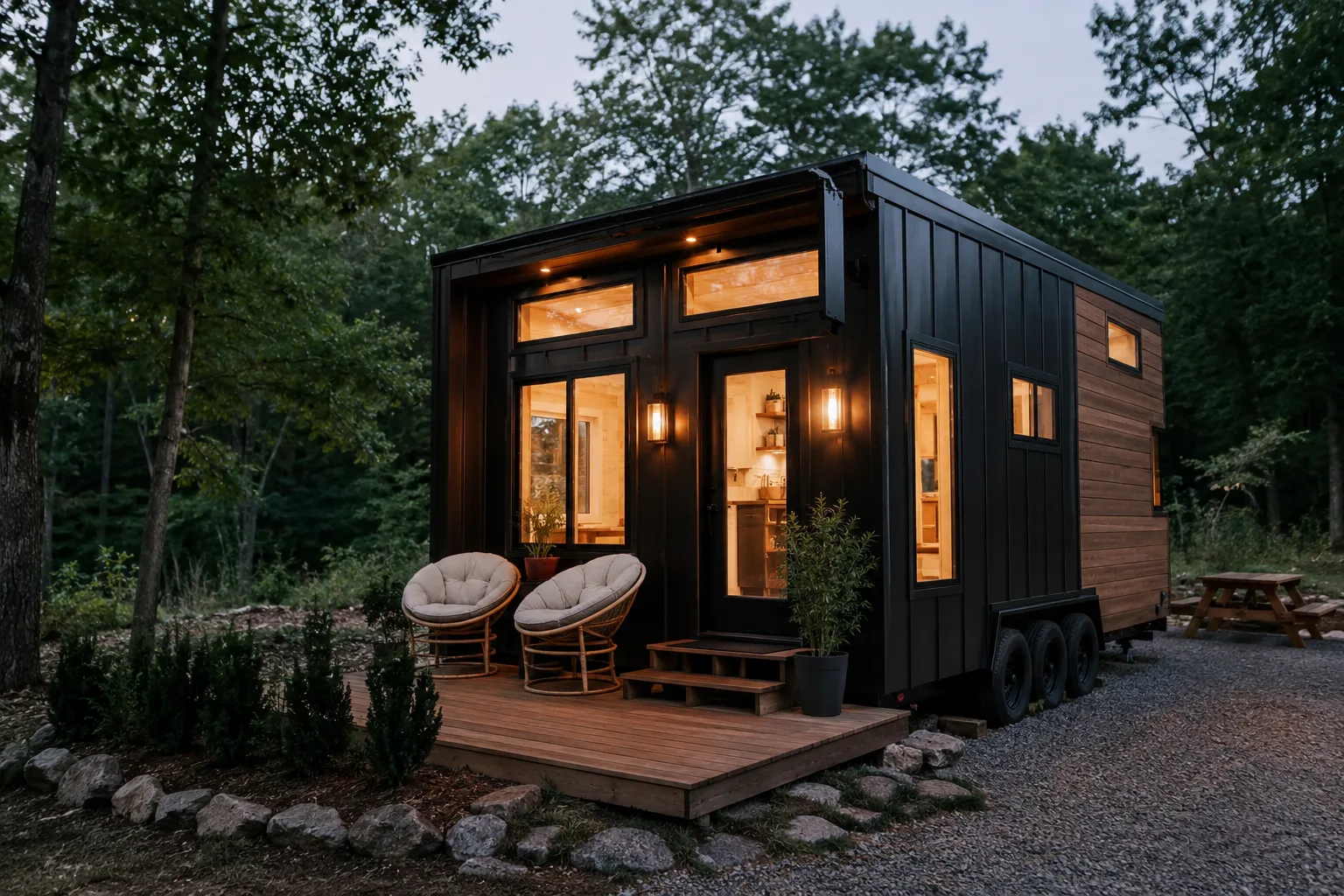
If your tiny house on wheels is certified to RV industry standards, the most common route is RV insurance — the same certification that can open the door to RV-style financingRV policies typically bundle liability, collision coverage for transport, and protection for the structure and contents. If your THOW isn't RV-certified, you may need a specialty insurer that writes movable-dwelling or inland-marine policies tailored to tiny homes. Either way, confirm the certification with your builder before you assume a policy will be available.
Insuring a foundation home or ADU
A prefab or modular home on a permanent foundation behaves much more like a conventional dwelling, so it's usually insurable under a standard homeowners or dwelling policy. When the tiny home is an accessory dwelling unit in your backyard, it can often be added to your existing homeowners policy as an additional structure — though you should confirm the coverage limit is high enough to actually rebuild it. Don't assume a small add-on rider reflects the true replacement cost of a fully finished second home.
What good coverage actually includes
Whatever the policy type, look for four things. Dwelling or structure coverage pays to repair or rebuild the home itself. Personal property coverage protects what's inside. Liability coverage protects you if someone is injured on your property. And transport or in-transit coverage matters for any home that will be moved — damage during towing is a real and common claim. For a high-spec build, make sure the policy is written for replacement cost, not depreciated actual cash value.

What it costs
Premiums vary widely with location, value, construction quality and how the home is used. As a rough guide, a well-built tiny home often costs a few hundred to around a thousand-plus dollars a year to insure — typically less than a full-size house simply because the replacement value is lower. A four-season home built to a high standard, with quality materials and proper moisture detailing, can also be cheaper to insure because it represents less risk. The same construction quality that protects your investment also tends to lower your premium.
How to avoid a coverage gap
Three habits prevent most problems. First, insure the home for what it would actually cost to rebuild, not the purchase price years ago. Second, match the policy to the classification — RV or specialty for wheels, dwelling or homeowners for a foundation. Third, tell your insurer exactly how the home is used; a full-time residence, a short-term rental, and a weekend cabin are rated differently, and a mismatch can void a claim. Knowing where your home will legally sit, covered in our guide on where you can put a tiny house, also helps your insurer rate it correctly.
Important
This is general information, not insurance advice. Coverage, eligibility and pricing vary by insurer and by your situation. Always compare policies and speak with a licensed insurance agent who understands tiny homes before you buy.
When you're planning a build, knowing the final spec and value makes insurance straightforward to arrange. To get those numbers in writing, you can request a fixed-price proposal and use it as the basis for your coverage.