Where Can You Put a Tiny House? Zoning, Land & the Law
For most people, the tiny house itself is the easy part. The genuinely hard question is where you are allowed to put it. Zoning and building codes in the United States are set locally — by county and city — so the answer is almost never "yes" or "no," it's "it depends on the parcel." This guide gives you the framework to research that for yourself before you spend a dollar on land.
On a foundation vs. on wheels
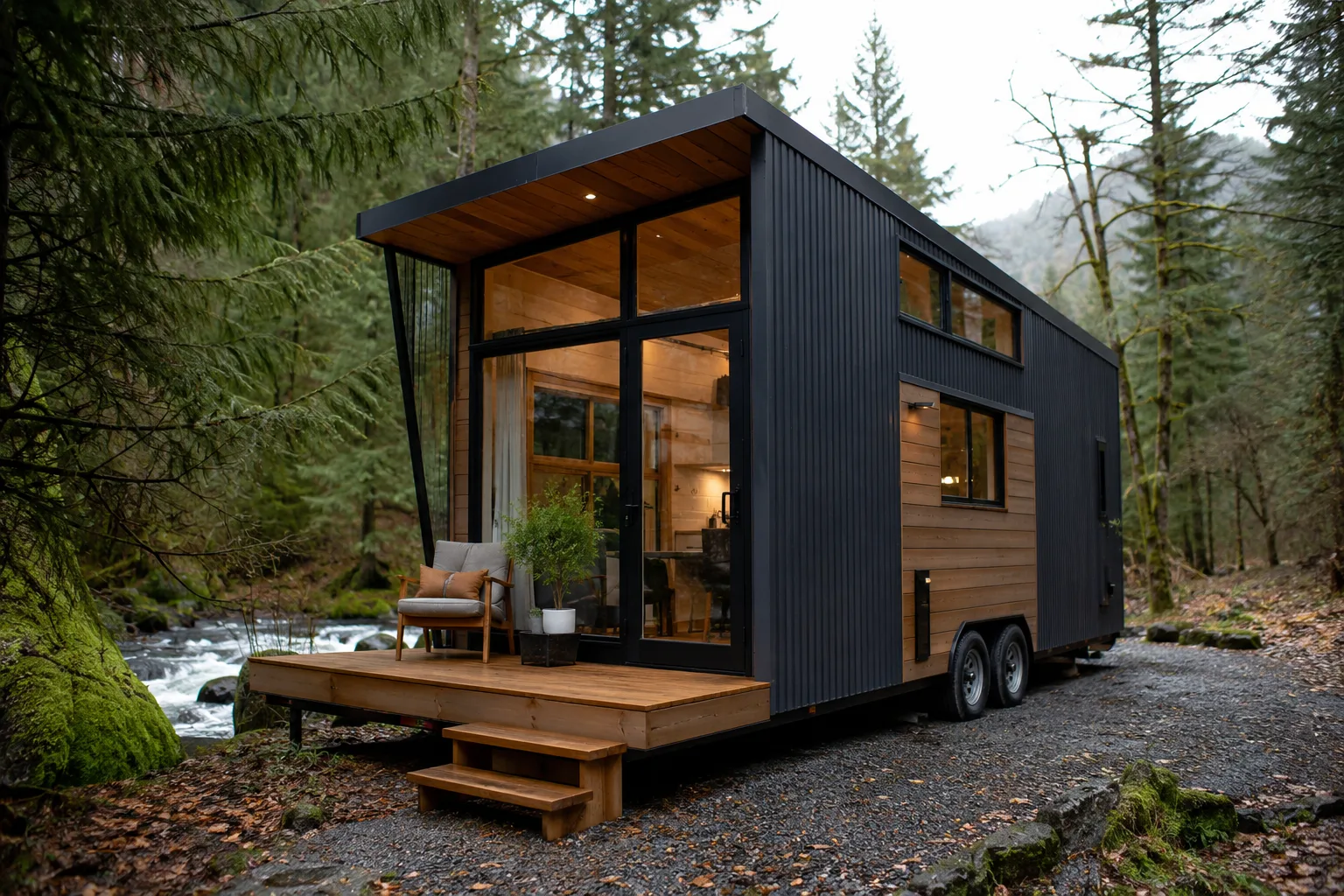
The first fork in the road is how your home is classified. A tiny house on a permanent foundation is generally treated like any other dwelling and must meet local building codes (often the International Residential Code, including its tiny-house appendix where adopted). A tiny house on wheels is usually classified as an RV or a movable structure, which changes where and how long you can legally live in it. Neither path is automatically easier — they just run into different rules.
The ADU route
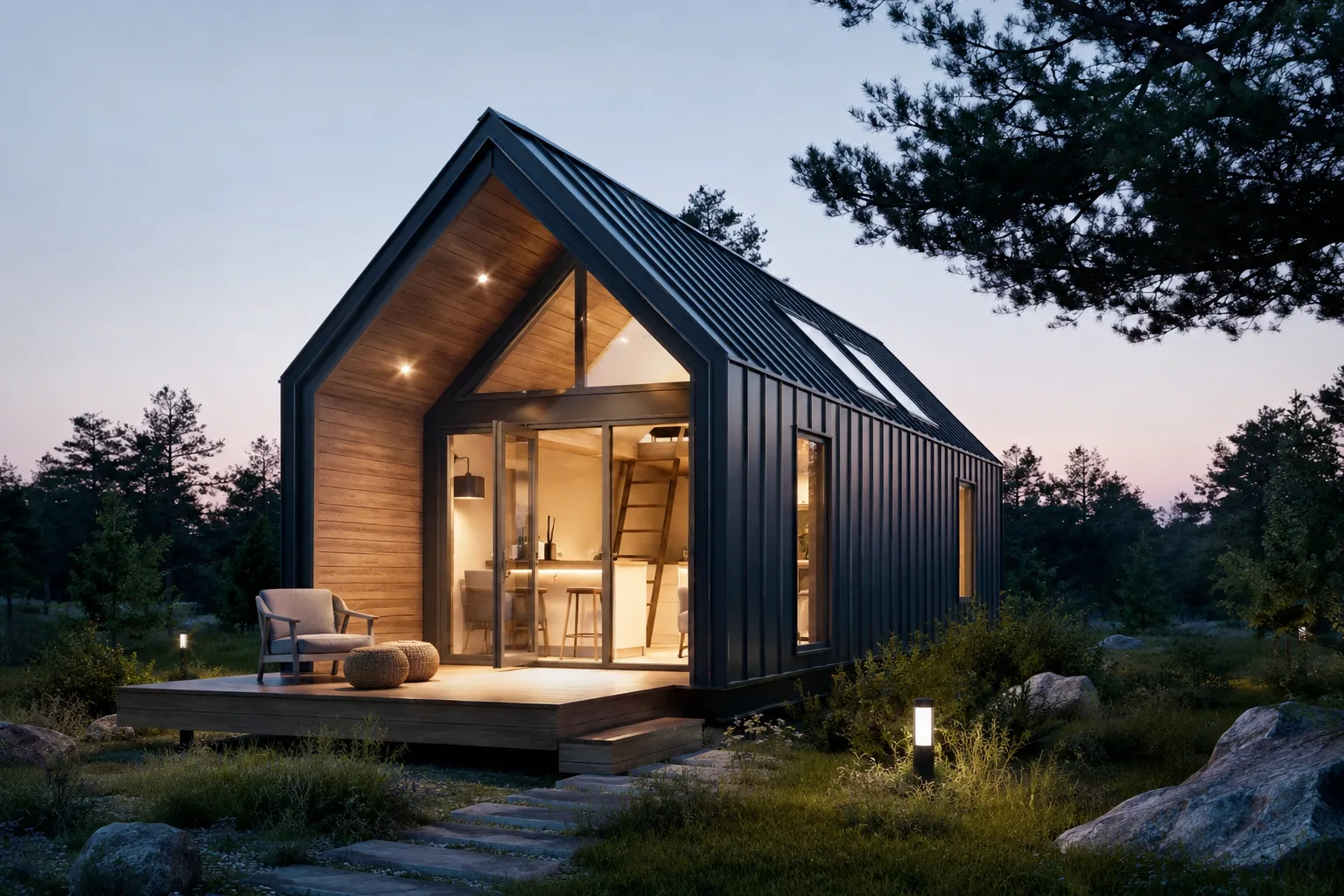
One of the most reliable legal homes for a tiny house is as an accessory dwelling unit (ADU) — a second, smaller home on a lot that already has a primary residence. Many states and cities have loosened ADU rules to address housing shortages, which can make a prefab or modular tiny home on a foundation a straightforward backyard cottage. Check whether your jurisdiction allows ADUs, what minimum size they require, and whether owner-occupancy is mandated.
Tiny house communities and RV parks
If you have a tiny house on wheels, dedicated tiny house communities and some RV parks offer a legal, serviced place to park long-term, with utilities already in place. This is often the fastest way to live in a THOW legally while you decide on a permanent plan. Rules on full-time occupancy vary by park, so confirm before you sign.
How to research a parcel
Before buying land, do this homework: pull the zoning designation for the specific parcel from the county or city, ask the local planning department directly whether your intended use is allowed, check minimum dwelling size requirements, and confirm what utility connections are required (many areas mandate a connection to public water and sewer even if you want to be self-sufficient). If there is a homeowners association, read its rules too — an HOA can prohibit what zoning allows.
Access and utilities matter as much as zoning. A beautiful, cheap lot far from existing connections can cost more to make livable than a pricier one in town. Factor this into your overall budget from the start.
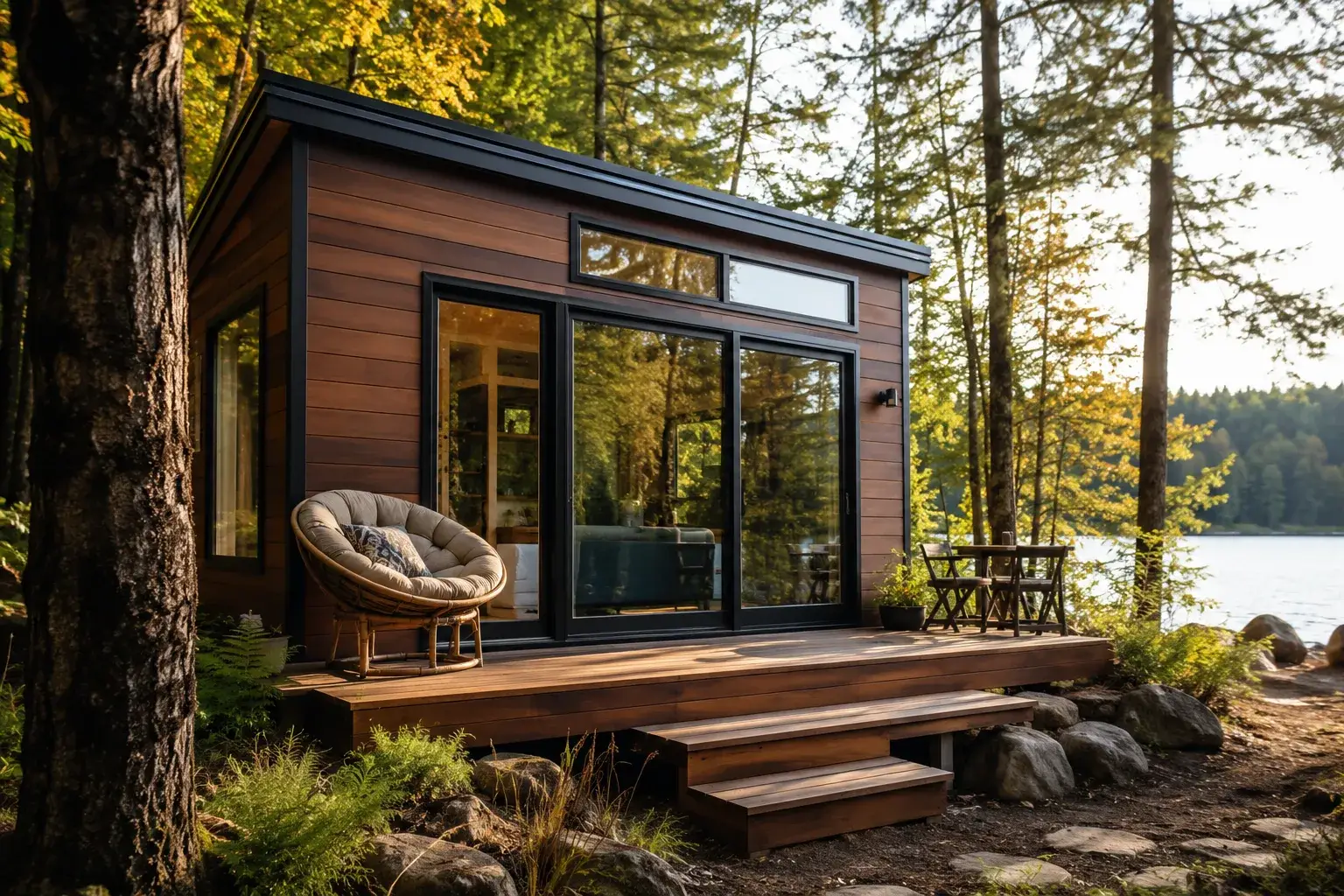
A note on going off-grid
Going off-grid can solve some siting problems but not the legal ones. Even a fully self-sufficient home still has to satisfy zoning and, in many places, connection requirements for water and waste. Treat off-grid systems as a comfort and location-freedom decision, not a way around the rules.
Important
1A Tinyhouse is happy to advise on placement as a partner in your project, but zoning and building codes are decided locally and individually. We cannot provide legal advice or guarantee approval. Always confirm with your local planning department.
The takeaway: decide on wheels vs. foundation early, because it determines which legal path you are on, then research the specific parcel before you buy. If you want help thinking it through for a particular site, get in touch and we'll talk it through.
Based in the German-speaking market? We have a separate guide on this topic written specifically for Germany, Austria and Switzerland (not a translation): Baugenehmigung für Tiny Houses