Tiny House vs. ADU: What's the Difference and Which Is Better?
"Tiny house" and "ADU" get thrown around as if they mean the same thing, and that confusion costs buyers real time and money. They overlap, but they answer different questions: a tiny house describes the home, an ADU describes its legal role on a property. Understanding the distinction is the key to choosing the right path for your land, budget and goals.
What each term actually means
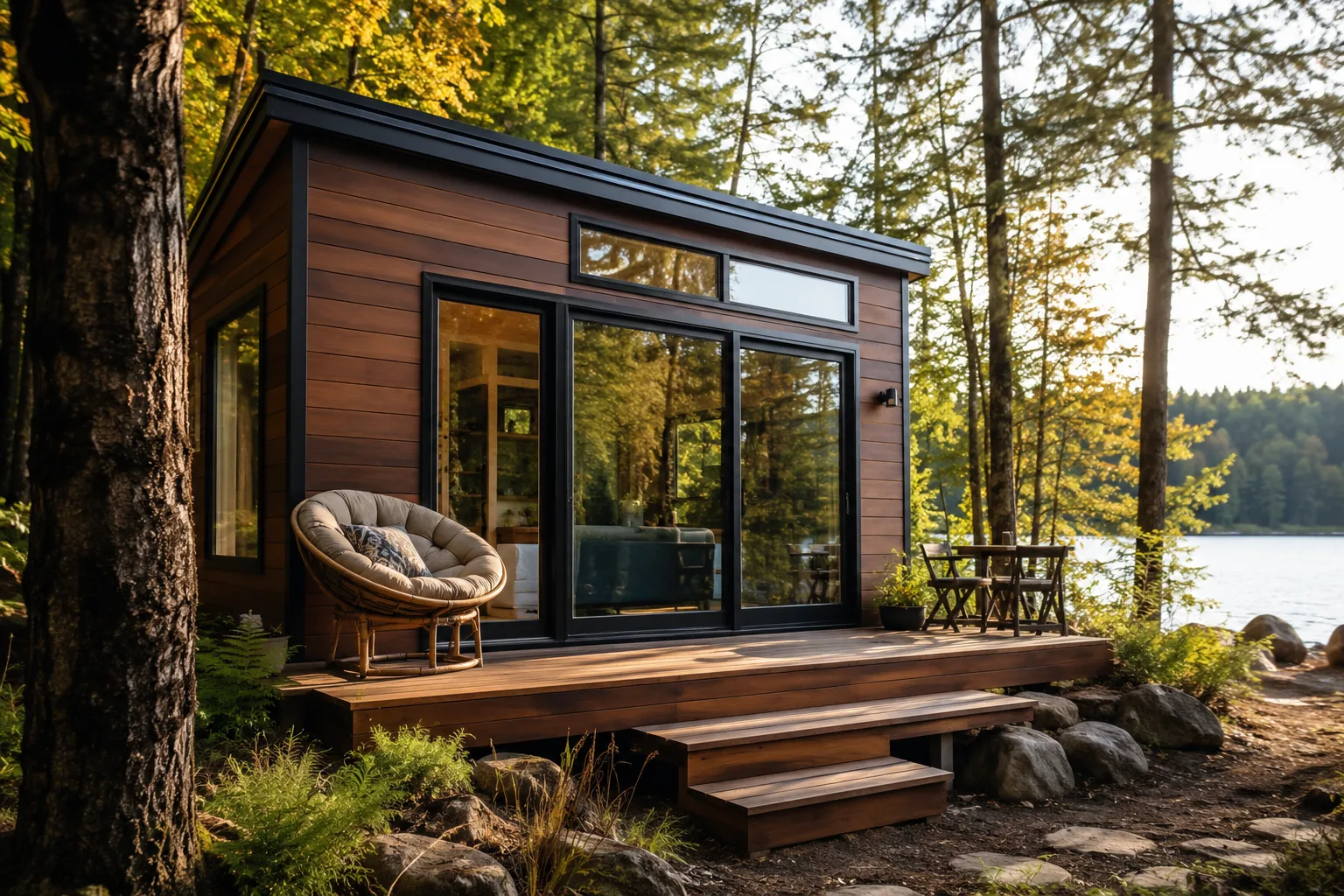
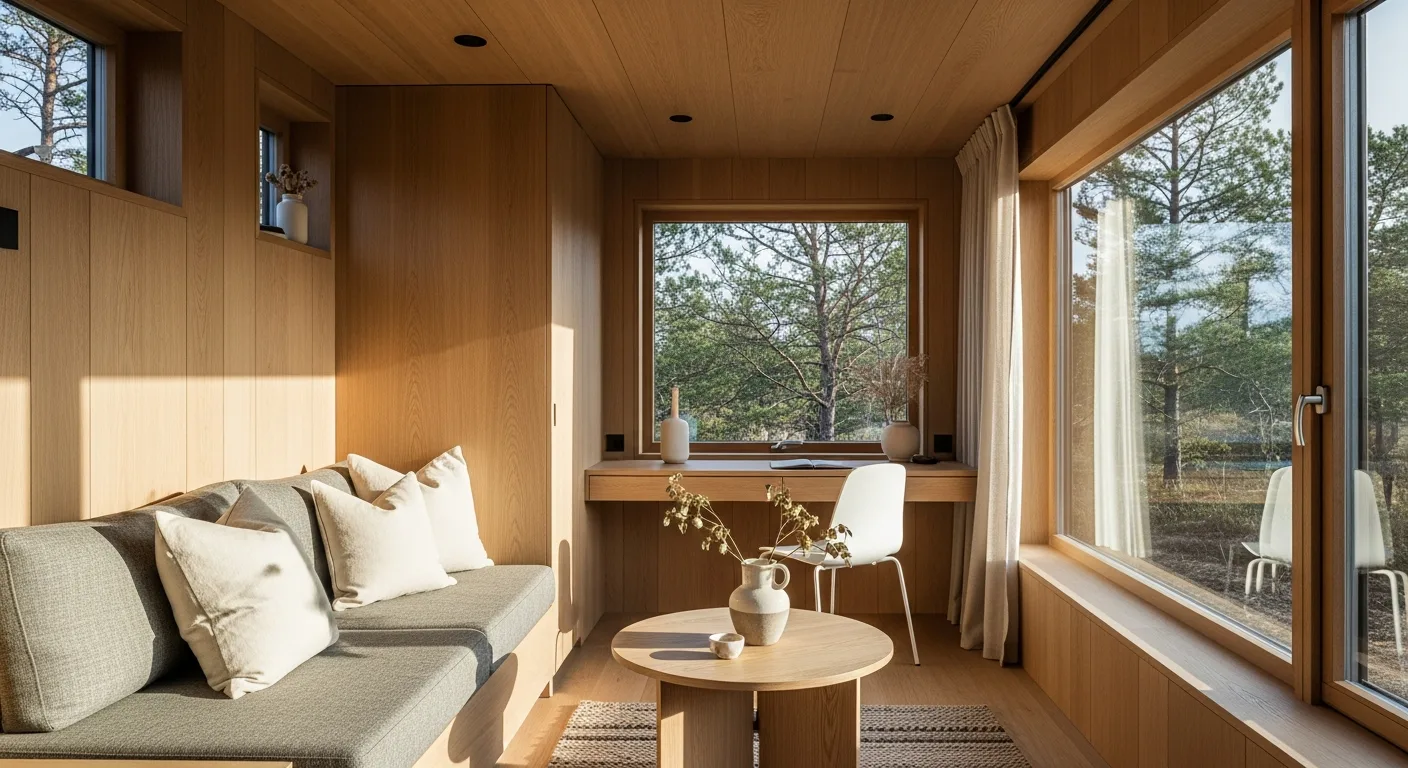
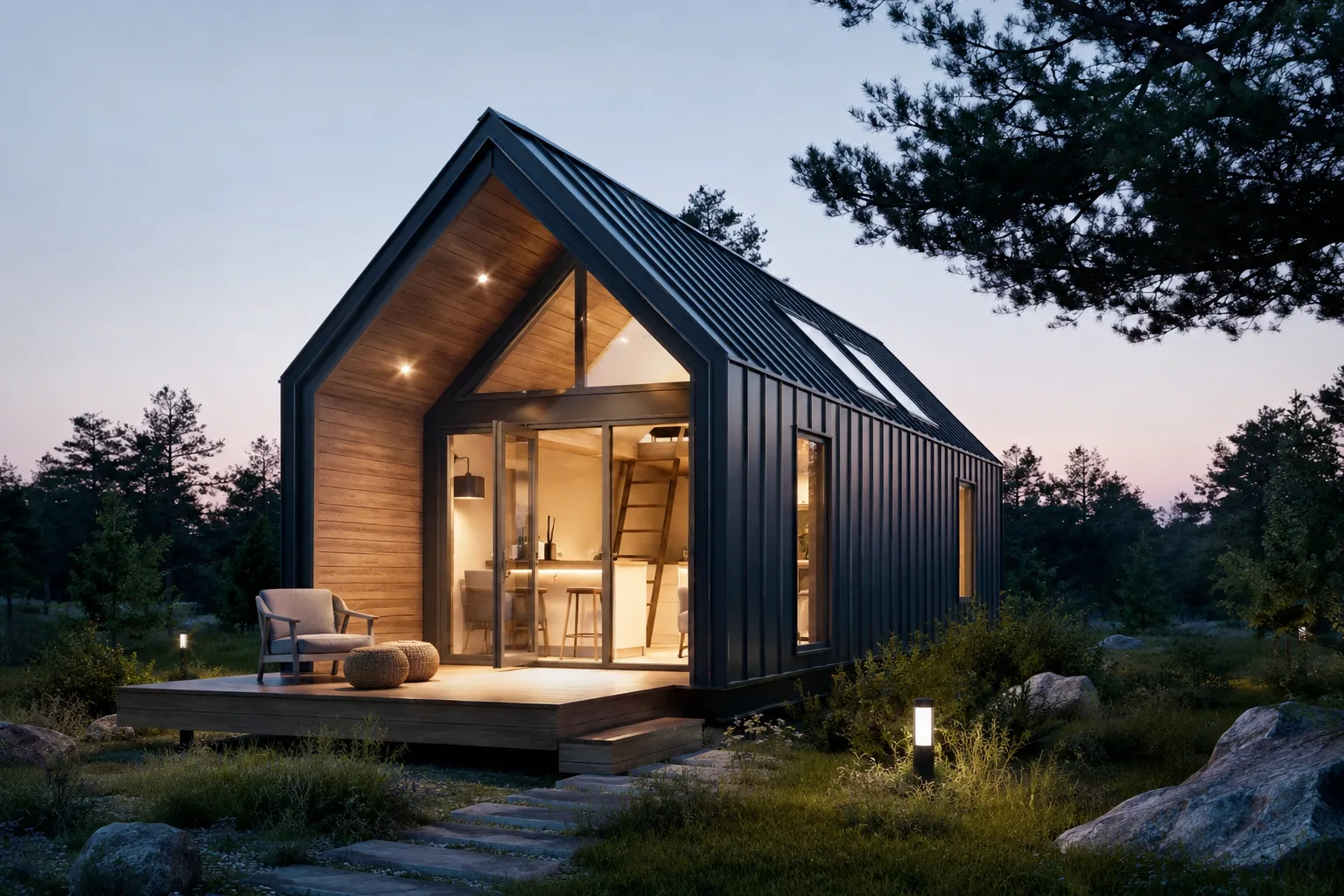
A tiny house is a small dwelling, usually under about 400–600 square feet, built either on a trailer or a foundation. It's defined by its size and design. An accessory dwelling unit (ADU) is a legal classification: a secondary, independent home on a lot that already has a primary residence — a backyard cottage, a converted garage, or a small new build. It's defined by zoning, not size. The overlap is where it gets interesting: a tiny house on a foundation can be an ADU. The two aren't competitors so much as different lenses on the same project.
Classification and permitting
This is the biggest practical difference. An ADU is permitted as a permanent dwelling, built to local building code on a foundation, with its own utilities — a fully legal, recognized home. A tiny house on wheels, by contrast, is usually classified as an RV or movable structure, which limits where and how long you can legally live in it. If a clear legal path matters most to you, the ADU route — typically a prefab or modular home on a foundation — is the more reliable one. We cover how to research this for your parcel in where you can put a tiny house.
Financing and cost
The classification flows straight into how you pay. Because an ADU is real property attached to land, it can reach the cheapest money available — a construction loan or a home-equity line of credit against the primary residence. A tiny house on wheels usually relies on RV or personal loans instead. Our financing guide breaks down each option. On cost, the two land in a similar range for the structure itself. The difference is that an ADU adds foundation and site work while a THOW builds in the trailer.
Resale and long-term value
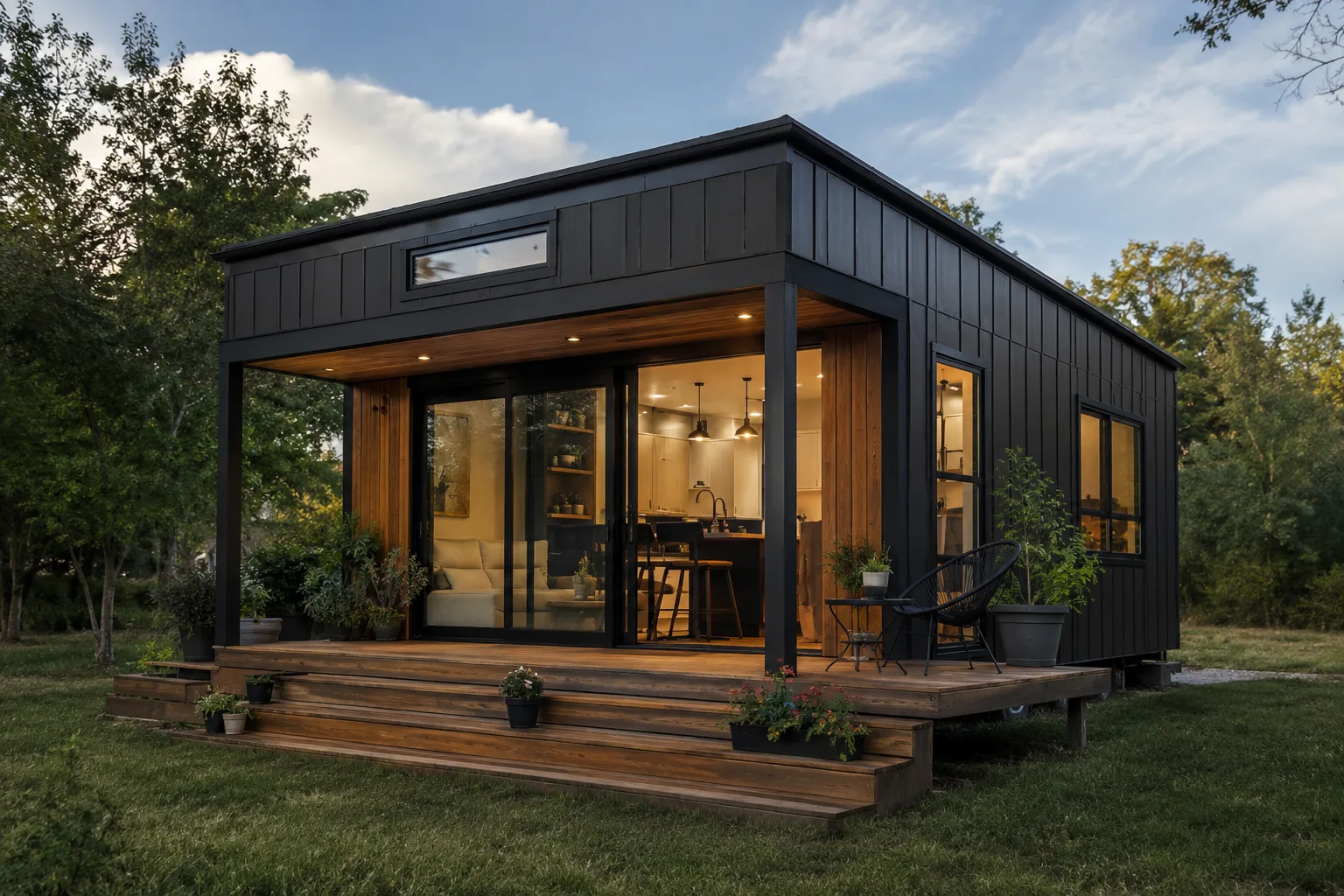
An ADU generally wins on value. As permitted real estate, it adds to the worth of the underlying property and can appreciate alongside it, while a tiny house on wheels behaves more like a vehicle and tends to depreciate. An ADU also generates the strongest rental returns precisely because it's a fully legal dwelling. We dig into this in our guide on tiny house resale value — but the headline is simple: legal permanence stores value.
Which is better for you?
There's no universal winner — only the right fit. Choose the ADU path if you own a lot with a primary residence, want a permanent and fully legal home, value the best financing and resale, or plan to rent it out. Choose a tiny house on wheels if mobility matters, you're not ready to commit to one location, or your best available spot is a tiny house community. Many of our buyers ultimately build a tiny house as an ADU — getting the design they love with the legal standing of a permitted dwelling. You can see real examples on the models page or shape your own with a custom build.
Still weighing it up for your property? Tell us about your lot and we'll help you figure out whether an ADU or a movable home fits your situation best.