The Complete Tiny House Buying Guide
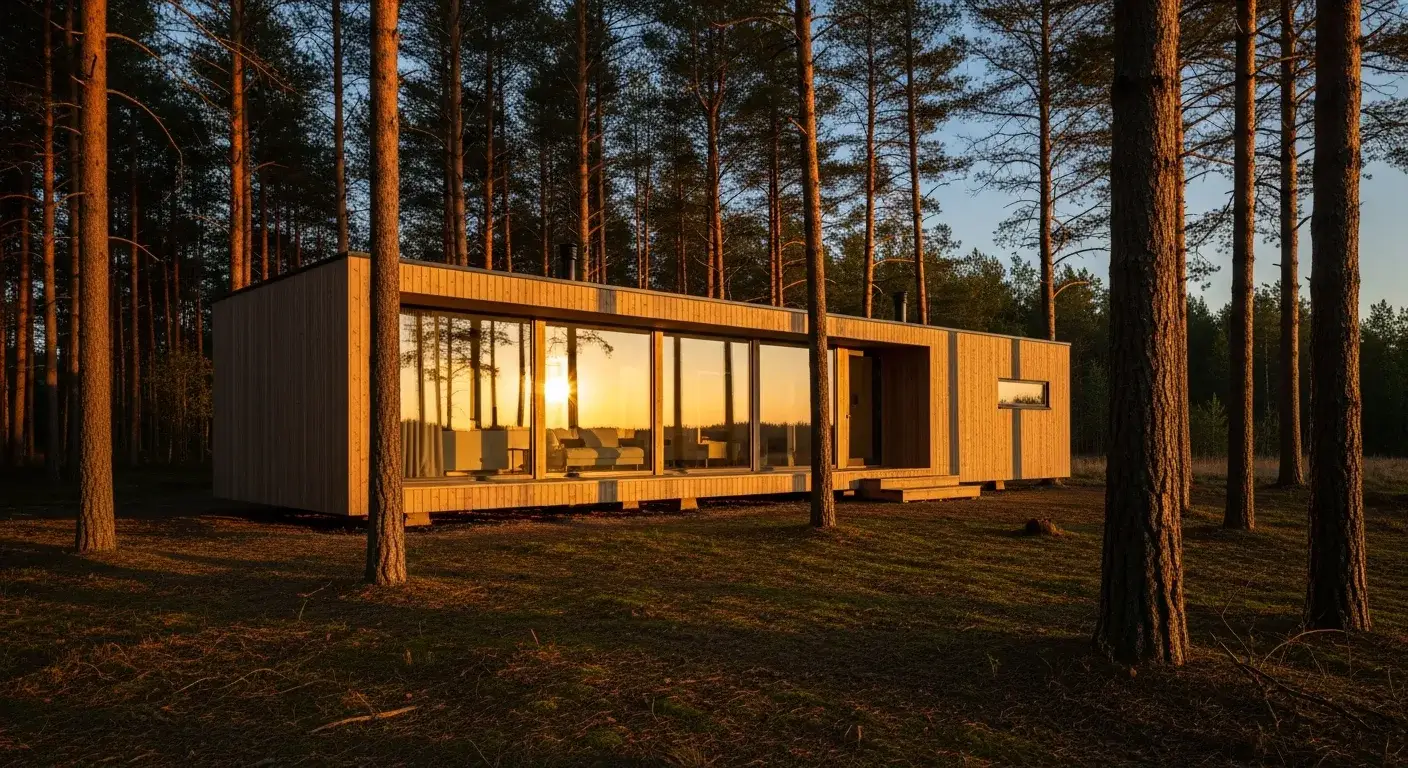
Buying a tiny house is a real life decision, not just a purchase. The market has grown fast and quality varies enormously, so a clear process protects you from expensive mistakes. This guide walks the whole path — from first idea to keys in hand — and links out to deeper guides at each step.
1. Define how you'll actually live
Start with honest questions: full-time home or weekend escape? Do you work from home? Guests, kids, pets? Your answers decide whether you need 200, 400 or 600+ square feet, and whether one loft is enough or you want a ground-floor bedroom. Nailing this first prevents costly redesigns later. Browse layouts on the models page to calibrate what a given size really feels like.
2. Choose wheels or foundation
This is the decision everything else depends on, and it deserves its own thought. It drives your legal options, financing and space. We cover it in depth in wheels vs. foundation — read that before you go further.
3. Sort out where it will go
A home with nowhere legal to sit is a problem. Research zoning, ADU rules and utility requirements early, ideally before you commit to a build. Our guide on where you can put a tiny house gives you the checklist.

4. Build a real budget
Look past the sticker price. A real budget includes the home, trailer or foundation, delivery, site work and utilities. Work it through with our cost breakdown, then decide how you'll pay using the financing guide.
5. Vet the builder and spot real quality
This is where buyers get burned. Quality lives in the parts you can't see after move-in: insulation rated for your climate, high-performance windows, a properly engineered structure, and moisture detailing that prevents rot. Ask about materials and certifications, request references, and insist on a transparent contract with milestone payments tied to build progress — never pay the full price upfront. A reputable builder will welcome these questions.
If you want a home tailored to your needs rather than an off-the-shelf model, a custom build lets you control layout, finishes and systems from the first sketch.
6. Plan delivery and handover
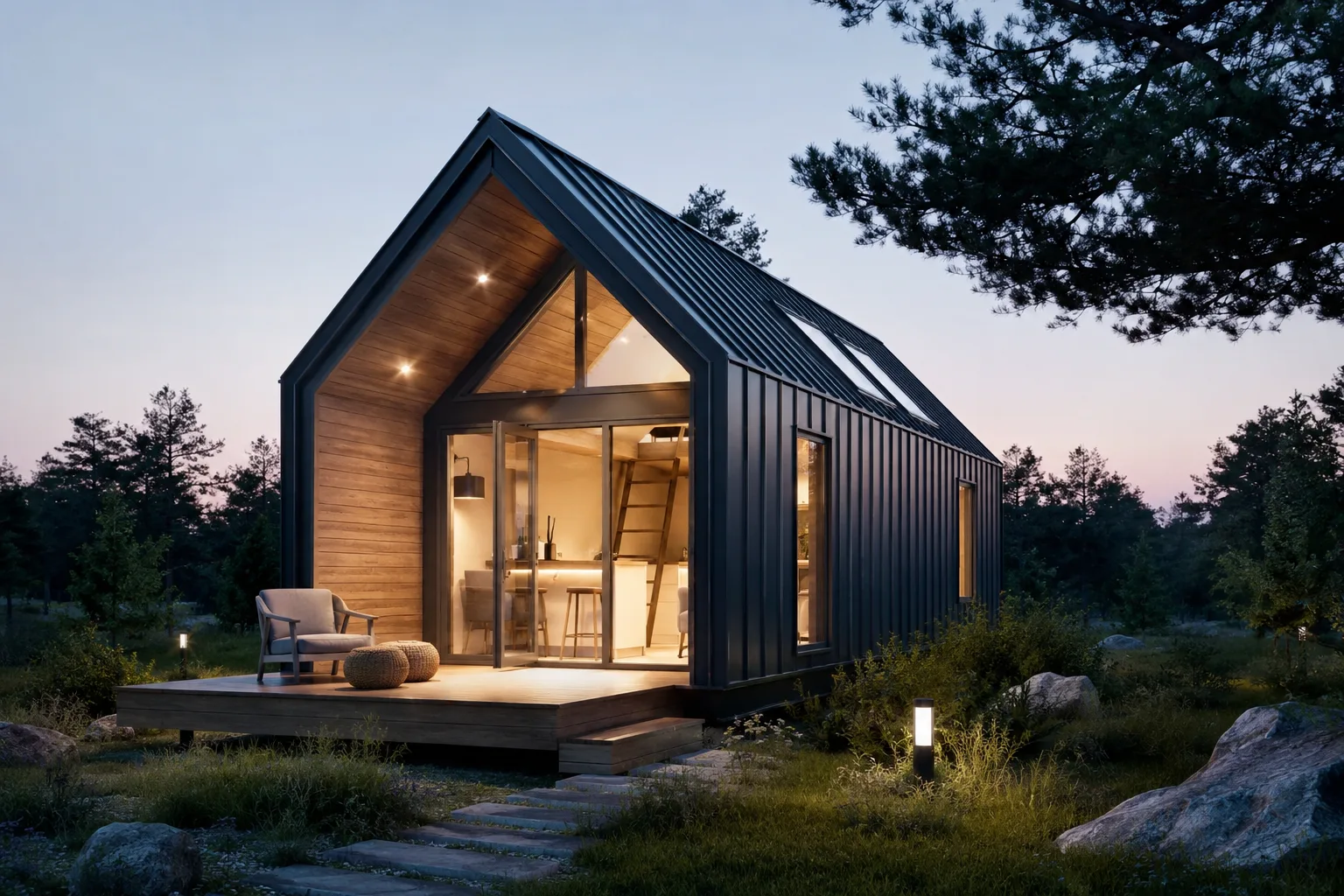
Confirm how the home reaches your site, what's needed for placement (a crane for foundation models), and exactly what "turnkey" includes. A clear handover checklist — what's connected, what's tested, what's warrantied — turns moving day from stressful to smooth.
Common first-time mistakes to avoid
The patterns repeat: budgeting only for the house and ignoring land, delivery and utilities; falling for a price that's too good to be true (usually a shell or RV-grade model). Skipping the zoning homework; and paying too much upfront to an unproven builder. Avoid those four and you've avoided most of the heartbreak.
Tiny living is genuinely rewarding when you go in informed. Work the steps in order, lean on the linked guides, and when you're ready for real numbers and a real timeline, request a consultationWe'll help you turn the plan into a home.
Based in the German-speaking market? We have a separate guide on this topic written specifically for Germany, Austria and Switzerland (not a translation): Der ultimative Guide zum Tiny House Kauf