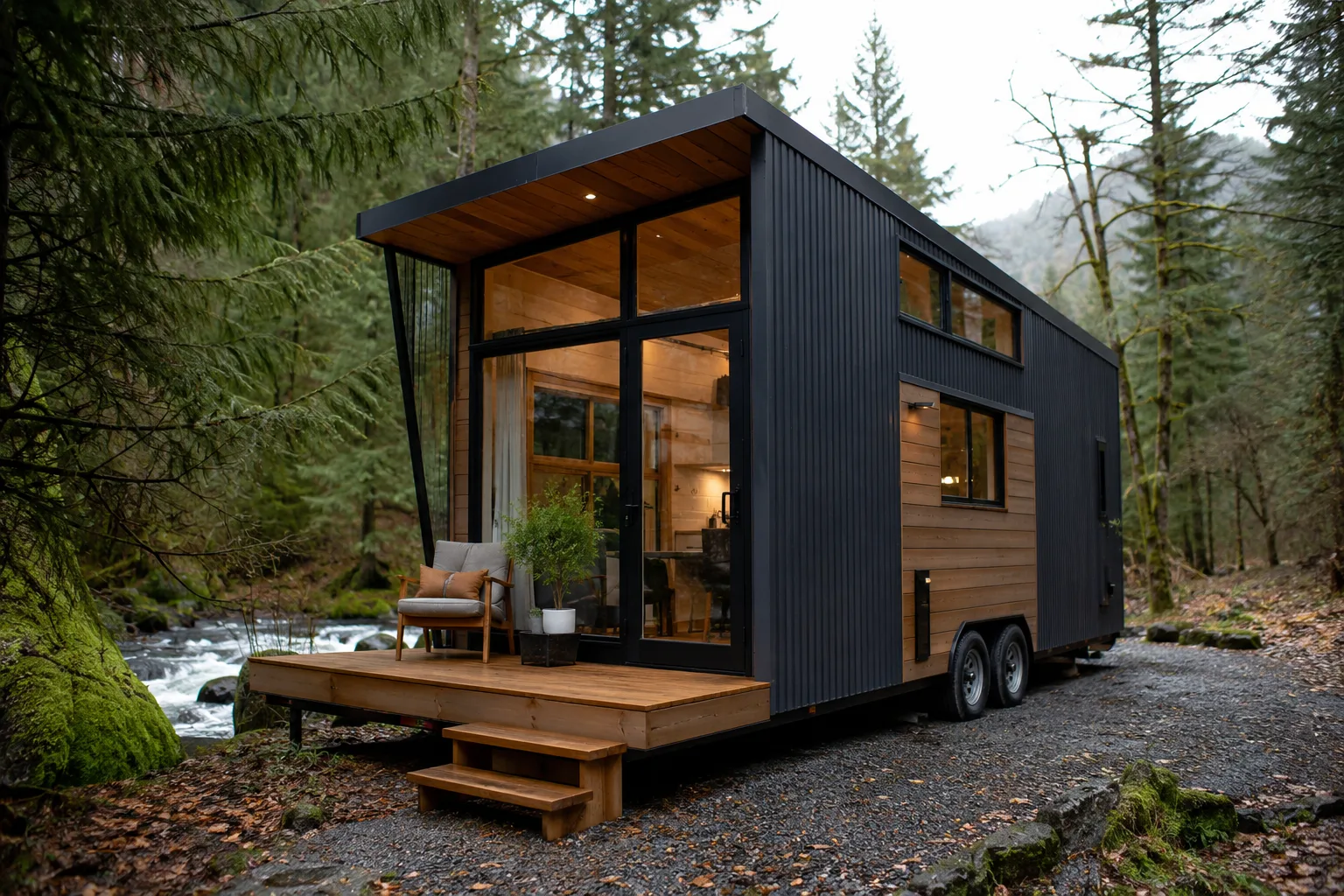
Tiny House Maintenance & Winterizing: A Year-Round Guide
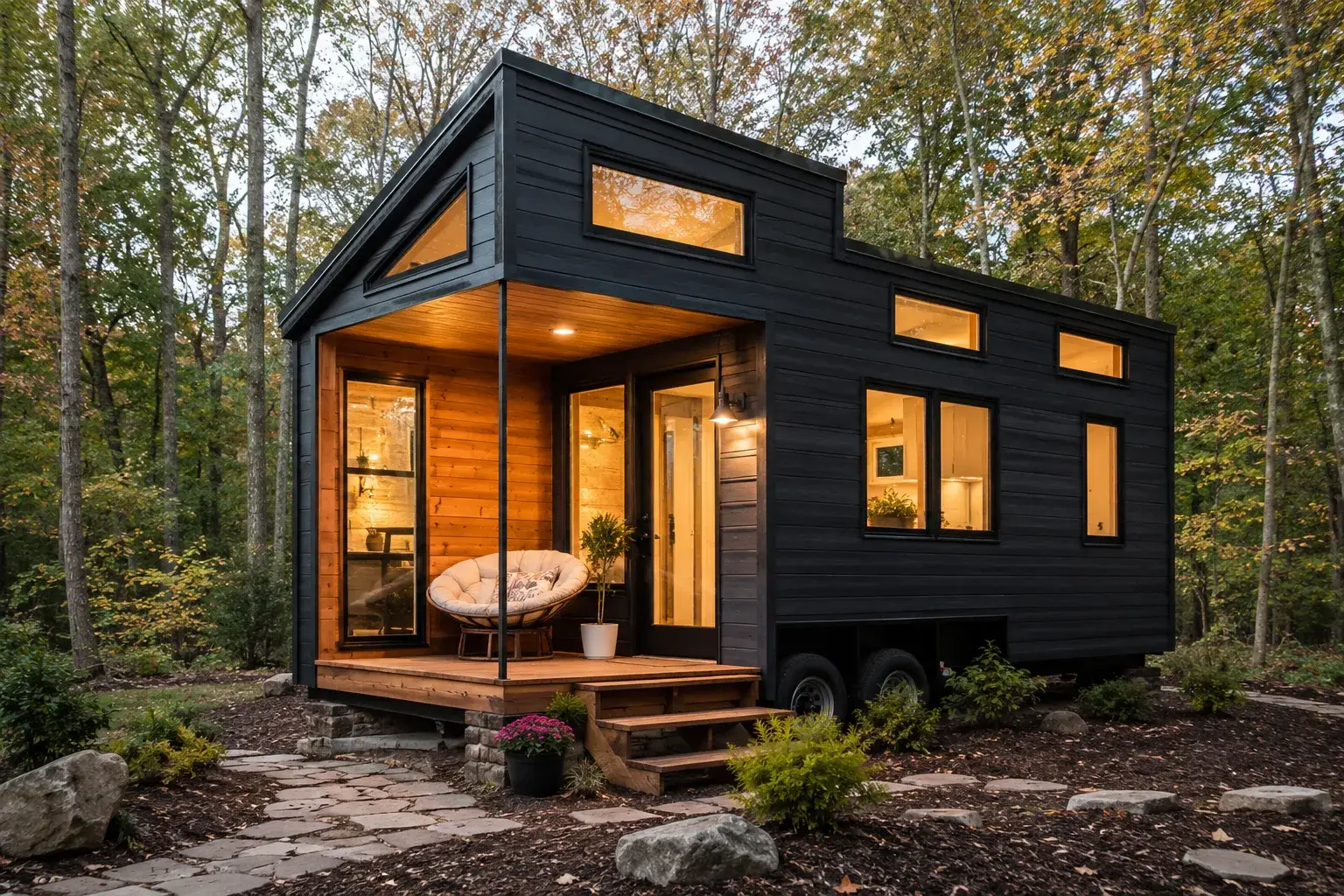
A well-built tiny house can last for decades — but only if it's cared for. Because everything is compact, small problems show up faster and matter more than they would in a big house. A slow leak or a patch of trapped moisture has nowhere to hide. The good news is that tiny house maintenance is genuinely manageable with a simple seasonal routine. Here's how to keep yours in great shape all year, and how to get it through a hard winter.
Why upkeep matters more in a small home
In a tiny house, systems are condensed and the building envelope is working hard. Moisture is the number-one enemy: with limited interior volume, daily cooking and showering put real humidity into the air, and without good habits that moisture can find its way into walls. The same quality construction — proper insulation, high-performance windows and careful moisture detailing — that we engineer into every premium build is what makes upkeep easy rather than constant.
The everyday and monthly basics
Day to day, ventilation is your best friend. Run the bathroom and kitchen fans, crack a window when you cook or shower, and don't let condensation sit on glass. Monthly, do a quick walk-through: check for any sign of damp or staining, test smoke and carbon-monoxide alarms, look under sinks for drips, and clear the gutters or roof drainage. Five minutes of looking prevents most expensive surprises.

The seasonal routine
Spring: inspect the exterior cladding and roof after winter, reseal any caulking that's failed, and clean and check windows and seals. Summer: service ventilation and any cooling, and check shading and airflow. Fall: this is the big one — prepare for cold (more below), clear gutters of leaves, and check heating before you need it. Winter: watch for ice dams, keep snow off the roof if it's heavy, and stay on top of interior humidity, which spikes when the home is sealed up tight.
How to winterize a tiny house
Winterizing is about protecting the plumbing and managing moisture. The biggest risk is frozen pipes. In a home you live in through winter, keep the interior warm enough that pipes never freeze, insulate any exposed plumbing, and protect the area beneath the floor — especially on a tiny house on wheels, where pipes and tanks can be exposed underneath. Skirting around the base of a THOW traps warmth and shields the underside from wind. Heat tape on vulnerable pipes adds a layer of insurance.
If you're leaving the home unoccupied for the season, fully drain the water system — pipes, tank and water heater — and add RV antifreeze to the traps, just as you would with an RV. A drained system can't freeze and burst. This matters most for seasonal or vacation use, where the home sits cold for weeks.
Off-grid and on-wheels extras
Off-grid homes add a few maintenance items: check battery health and connections, keep solar panels clear of snow and debris, and service any generator before winter. For water, monitor tank levels and keep filtration current — our guide on off-grid living covers the systems in depth. A home on wheels also needs occasional attention to the trailer itself: tires, axles and the hitch should be inspected if you ever plan to move it, even years apart.
Maintenance protects resale value
Consistent upkeep isn't just about comfort — it directly protects what your home is worth. A documented maintenance history and a home free of moisture damage sells for noticeably more, a theme we explore in our guide on tiny house resale valueTreat maintenance as an investment, not a chore.
Start with a home built to make upkeep easy and you've already won half the battle. If you're planning a four-season build for a cold climate, talk to us about insulation, glazing and plumbing detailing before you commit to a design.